Kiwi Polls runs 50,000 simulated elections on the latest polling average to estimate who forms the next government.
Four steps, repeated 50,000 times.
Every major public poll from Curia, Talbot Mills, Roy Morgan, Reid Research, Verian and Freshwater is combined into a single weighted polling average. That average is the model's starting point.
Each simulation nudges the average with a logistic-normal model. The noise is bloc-aware (a National surge tends to arrive with a Labour slide), and a national swing moves the left and right blocs together, the way real campaigns do.
Electorate seats are estimated from the party vote using math derived from historical results and the current polling. Parliament is then allocated under New Zealand's modified Sainte-Laguë method, including overhang seats, the 5% threshold and the one-electorate coat-tail rule.
Each simulation produces a full parliament. Stacked together, they form a probability distribution of seat counts. From that come the government and opposition win probabilities and the risk of a hung parliament.
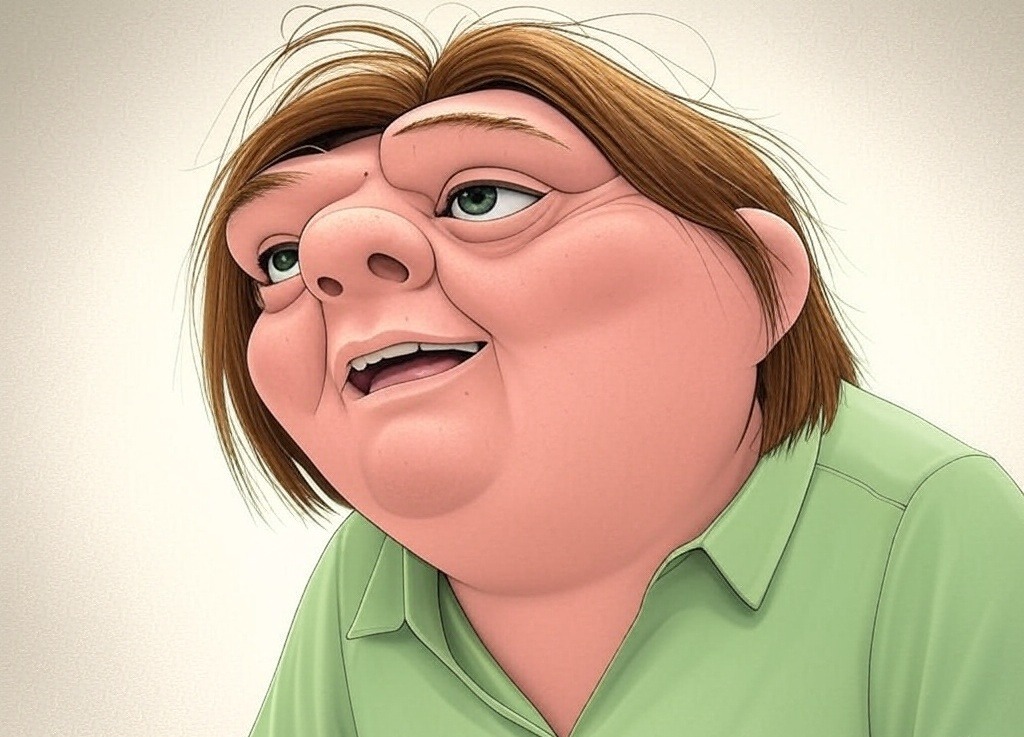
Quasimodo is a disciplined reader of polls, not a crystal ball.
When the model gives one side a 57% chance, the other side still wins roughly one election in three, and one-in-three events happen every day. Treat the forecast like a weather report. Sometimes the weather report is wrong. No model sees scandals, late swings or systematic polling misses coming, so don't base decisions on this or any other election model.
How Quasimodo performs when fed the polls from past campaigns.
Fed the final 2023 polling, Quasimodo's most common outcome was 67 seats for the right bloc, including NZ First. The actual result: 68.
On 2020 polling it predicted what everyone could see coming: a Labour majority. Labour delivered one.
Two elections is a short track record. Election models around the world have been woefully wrong before, and this one can be too. Hold it, and every other model, with healthy skepticism.
Because “Quasimodo predicted all of this.” It's a nod to the Sopranos scene where Bobby Baccalieri gets Quasimodo and Nostradamus tangled up, which makes him a fitting patron saint for election forecasting, where prediction and hindsight are easily confused.
The live forecast updates whenever a new poll lands.
View the live forecast